Singapore Government Work Visa Application
Singapore's first agile-delivered government software. I led design on the work-pass service, from discovery through deployment.
Singapore's first agile-delivered government software. I led design on the work-pass service, from discovery through deployment.
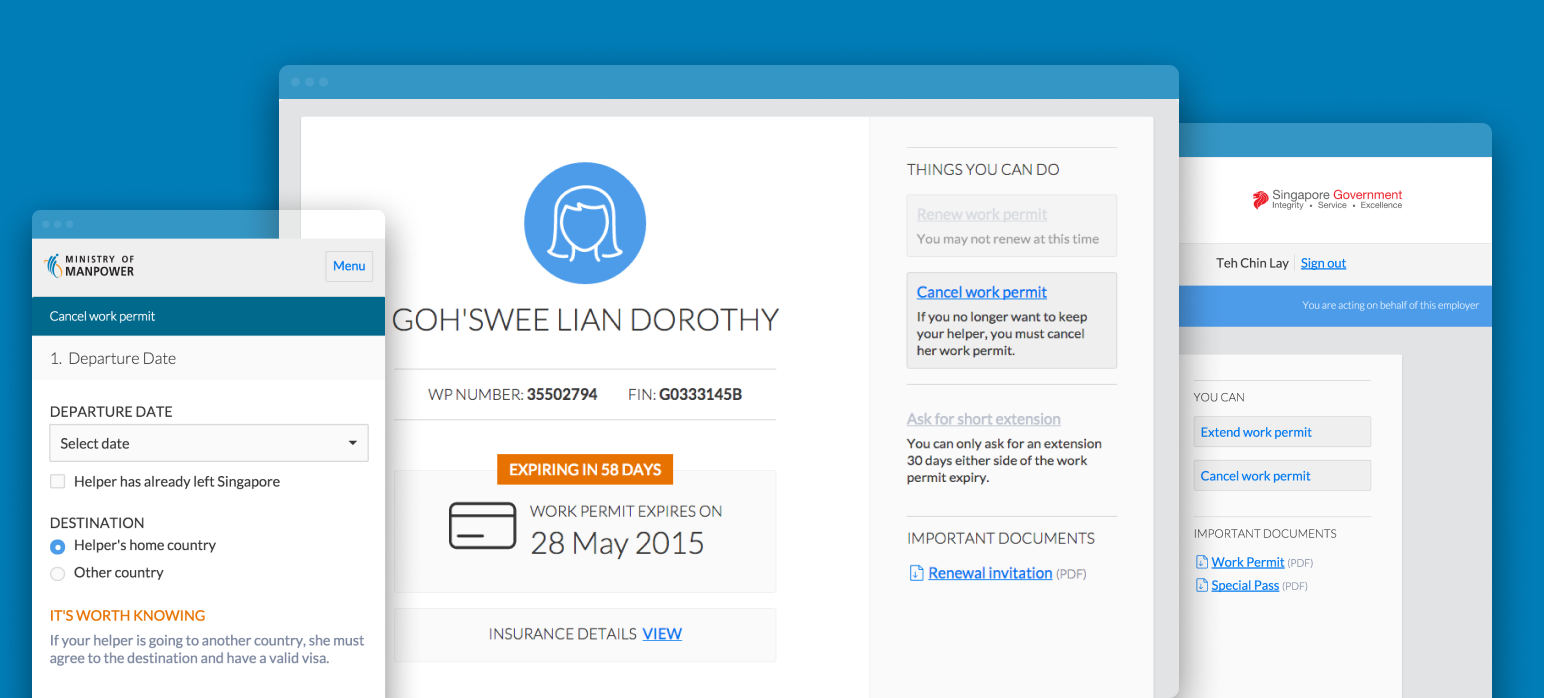
Principal product designer, Neo Innovation · Ministry of Manpower, Singapore · 2014–15
Every foreign domestic worker in Singapore needs a work pass, and every pass has to be applied for and renewed. The Work Pass Integrated System is where that happens — used by the families who employ the worker and by the placement agencies acting on their behalf, at a volume no counter service could absorb.
The system it replaced had been built to be administered rather than used. Its forms followed the Ministry's internal processing steps, not the job an employer was trying to finish.
Two things made this harder than a form redesign. The people using it often had limited English and little confidence with digital services, and a public service does not get to choose its users. And the Ministry had never run an agile programme, so the delivery method was as unproven inside the organisation as the design was.
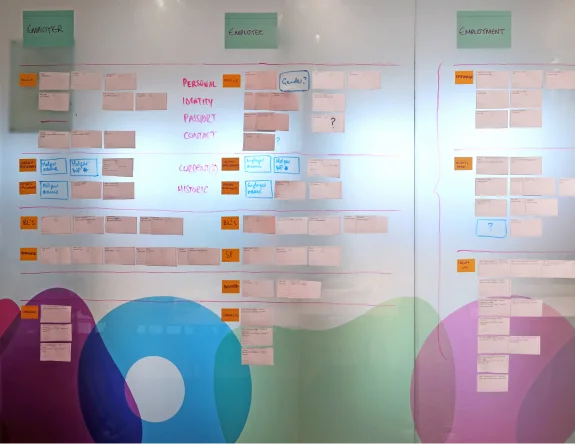
I was design lead for Neo Innovation on the programme and stayed through to deployment.
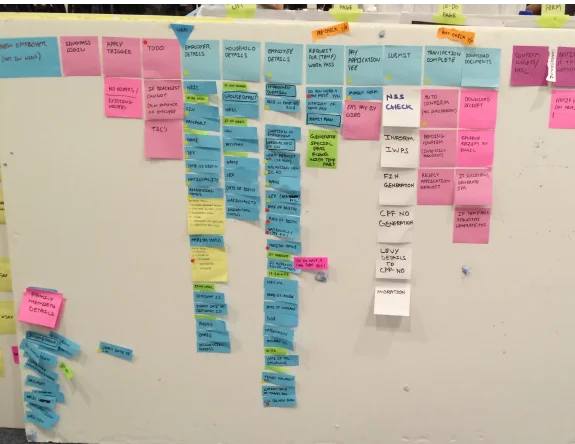
Up to thirty people from three consultancies worked in one room — Neo alongside ThoughtWorks and IDEO — with the Ministry's own staff in it rather than reviewing from the outside. That is the part most government programmes skip, and it is why scope arguments got settled in an afternoon instead of a change request.
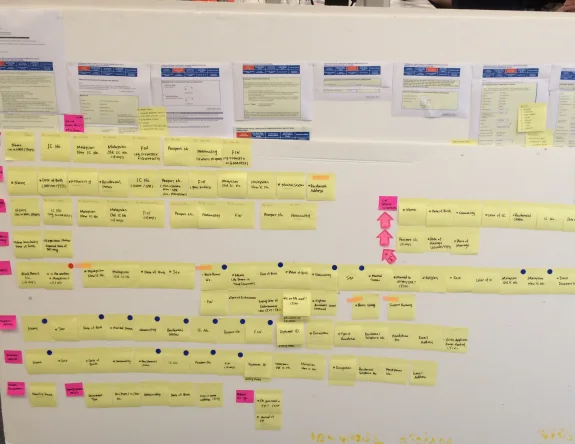
The system went live and became the reference case for agile delivery inside the Singapore Government — the first project of its kind there. It won Best UI / UX Design at the GovInsider Innovation Awards in 2016.
The accessibility decision is the one worth carrying forward. Building HTML-first was harder to argue for than to do, and it is the reason the service still works on an old handset, on a poor connection, for someone reading it in their second language. Progressive enhancement was not a call made once on this project — at Neo it was a standing item on every scope we wrote.
The full case study, with the interface work and the research behind it, is in the portfolio. Ask me for access.